Hot take: If your entire recovery plan is built around not acting out, you aren’t actually healing.
Most people treat sexual addiction like a willpower problem. After getting caught—or waking up buried in shame—they install an internet filter, hand over their passwords, make big promises and clench their fists through a 30- or 90-day streak. For a few weeks, things look quiet on the surface. Then work explodes, loneliness creeps in or an argument at home triggers old shame, and the cycle repeats.
On Episode 19 of the Brazen Recovery Podcast, Jacob and Miriam sit down with Eric Anderson, LMFT, CSAT-S—founder and clinical director of Pathway Therapy Center and co-author of Rebuilding Your Foundation—to unpack the massive difference between surface-level sobriety and true, lasting recovery.
Why Addictive Cycles Are Completely Predictable
When a relapse happens, it often feels like an ambush. In reality, compulsive sexual behavior rarely comes out of nowhere. As Eric explains, addiction operates inside a predictable system fueled by unaddressed nervous system dysregulation, isolation, and distorted thinking patterns.
Behavior isn't random—it’s functional. When you use pornography or acting-out behaviors to numb stress, avoid conflict, or medicate loneliness, addiction becomes your nervous system's favorite escape hatch. If you leave that internal and external system untouched and simply try to "stop the behavior," you force yourself to rely on exhausting self-restraint every single day.
Real longevity in recovery doesn't come from locking the escape hatch harder. It comes from dismantling the system that keeps driving you toward the exit.
How to Use the Three Circles Tool Without Making It a Legalistic Trap
One of the most practical frameworks Eric breaks down in this episode is the Three Circles recovery tool—a foundational mapping exercise originally developed within Sex Addicts Anonymous (SAA) and widely used across IITAP recovery models:
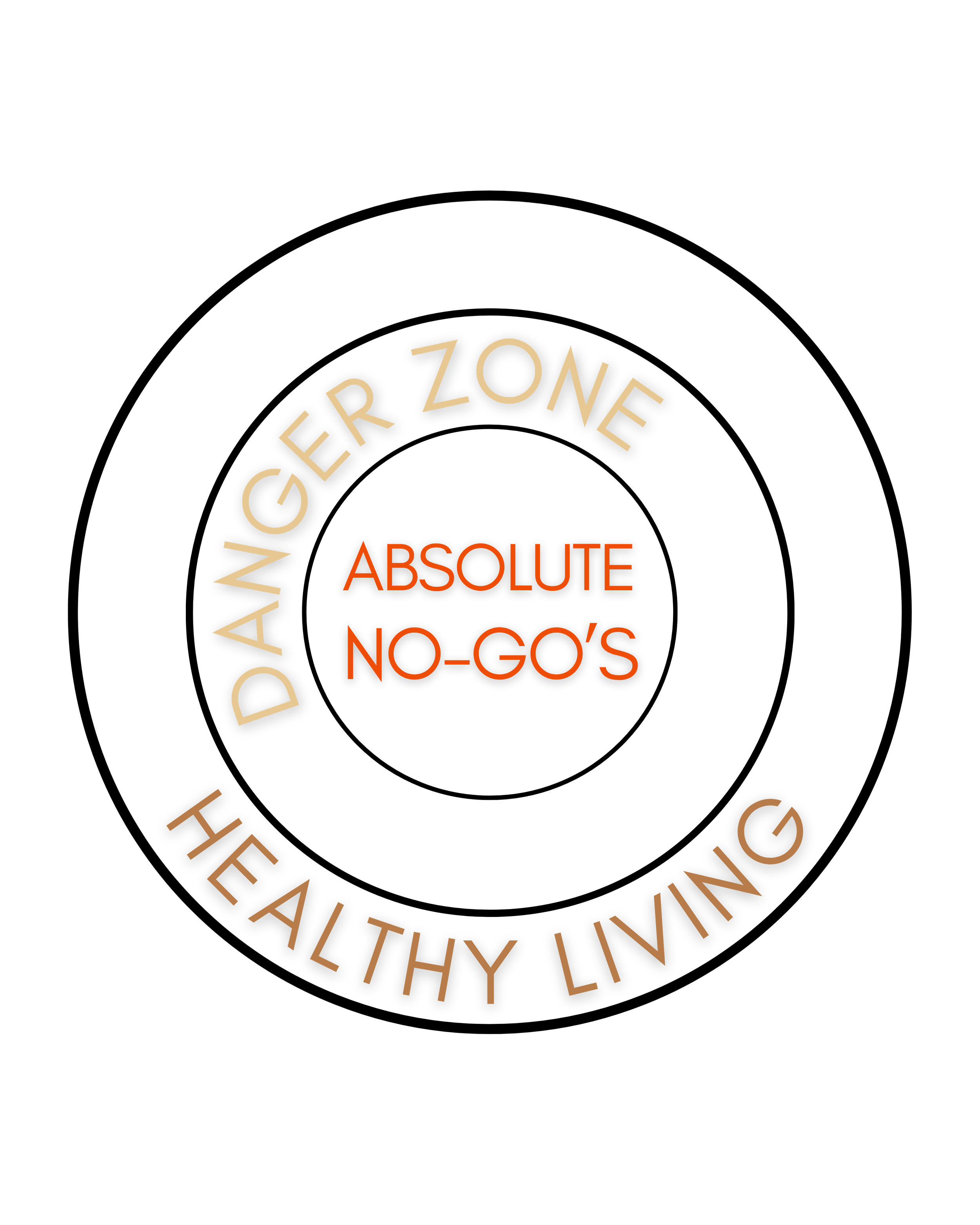
Inner Circle (Bottom-Line Behaviors): The specific, non-negotiable acting-out behaviors you are committed to stopping completely.
Middle Circle (Slippery Behaviors & Warning Signs): The subtle boundary crossings, emotional isolation, late-night scrolling, fantasy, or unaddressed resentment that precede a relapse.
Outer Circle (Life-Giving Recovery Behaviors): The daily habits, community connections, nervous system regulation practices, and values-driven actions that build a grounded, honest life.
Where most guys get stuck is obsessing exclusively over their Inner Circle—constantly checking their shoulders and asking, "Did I cross the line today?"
Eric explains why true freedom happens when you shift your focus to your Outer Circle. When you architect daily rhythms, honest friendships, and healthy coping mechanisms that genuinely fulfill you, you build a life you don’t need to escape from—and old compulsive habits gradually lose their pull.
The 3 Pillars of Systemic Change in Recovery
Moving from fragile sobriety to lasting transformation requires rebuilding three core areas of your life at the same time:
Mindset & Emotional Capacity: Moving out of toxic shame and defensiveness so you can feel stress, grief, anger, and inadequacy in real time without numbing out—and so you can sit in your spouse's pain without shutting down.
Daily Habits & Environment: Restructuring how you manage sleep, stress, work boundaries and digital access before a trigger ever hits.
Contained Community: Breaking the secrecy that keeps addiction alive by stepping into consistent, face-to-face accountability with men who know the real you.
Listen & Connect with Eric Anderson
To dive deeper into systemic recovery, listen to Episode 19: Systemic Change with Eric Anderson on Spotify or wherever you listen. You can learn more about Eric’s books, speaking and individual or couples intensives through Eric Anderson Counseling and Pathway Therapy Center.
Ready to Stop White-Knuckling Your Recovery?
1:1 Recovery Coaching: If you’re tired of repeating the same cycle and want direct, no-fluff guidance to build a real recovery system, schedule a free 1:1 discovery call with Jacob.
Specialized Recovery Groups: Lasting transformation requires community. Explore upcoming men’s and partner groups—or browse nationwide meeting directories—at brazenrecovery.org/groups.